
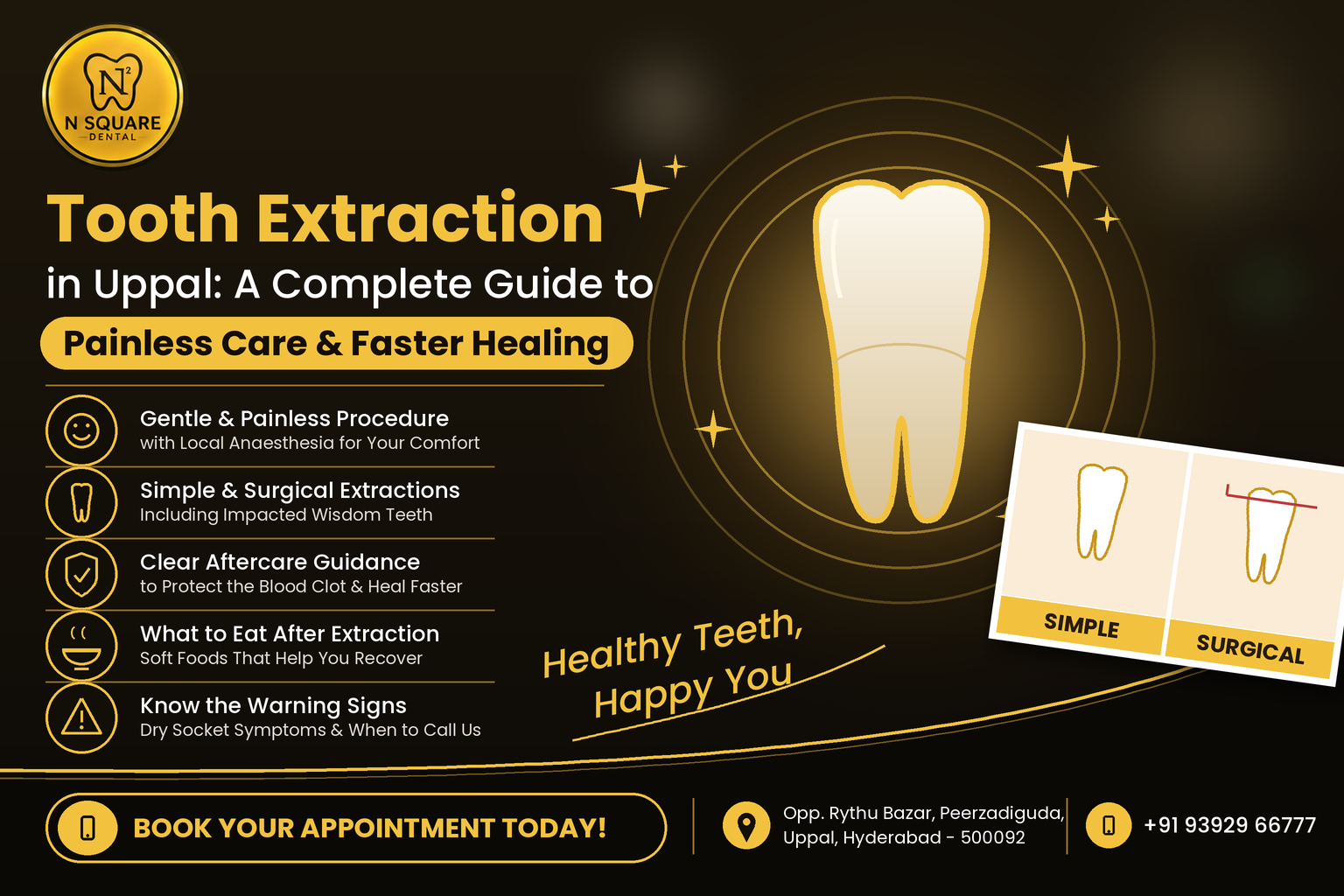
Nobody wakes up excited about a tooth extraction. If your dentist has told you a tooth needs to come out, or you’ve been putting off that painful wisdom tooth for months, it’s normal to feel a little nervous. The good news is that today’s extractions are far more comfortable than most people imagine, and recovery is usually straightforward when you know what to do.
If you’re searching for tooth extraction in Uppal, this guide walks you through the whole process: why teeth are removed, what happens in the chair, how to look after yourself afterwards, and which foods help you heal.
Why Does a Tooth Need to Be Removed?
Dentists always try to save a natural tooth first. But sometimes extraction is the kindest option for your long-term oral health. Common reasons include:
- Severe decay that has gone too deep to repair with a filling or root canal
- Advanced gum disease that has loosened the tooth
- A broken or cracked tooth that can’t be restored
- Impacted wisdom teeth that press on neighbouring teeth or cause repeated infection
- Crowding before braces or aligners
- A tooth that is infected and putting nearby teeth at risk
Ignoring a problem tooth rarely makes it go away. Infections can spread to the jaw and affect your overall health, which is why the World Health Organization treats oral health as an important part of general wellbeing. A timely extraction often prevents bigger problems later.
Simple vs. Surgical Extractions
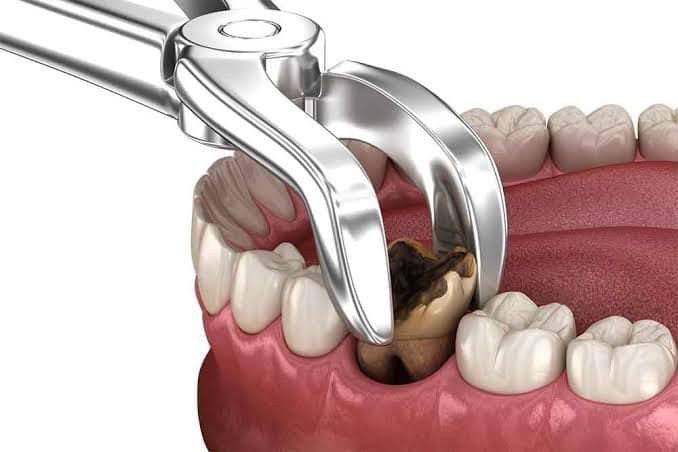
Not every extraction is the same. According to News-Medical’s overview of dental extraction types, extractions are broadly divided into two categories.
Simple extraction: The tooth is visible above the gum line. After numbing the area, the dentist loosens the tooth and removes it with forceps. It’s usually quick.
Surgical extraction: Used when a tooth is broken at the gum line, hasn’t fully emerged, or is impacted, as many wisdom teeth are. A small incision is made in the gum, and sometimes the tooth is sectioned into pieces for easier removal.
Your dentist will decide which approach suits you after an examination and an X-ray. Knowing the type in advance helps you plan your recovery time.
What Happens During the Procedure?
Many patients in Hyderabad ask for painless tooth extraction, and that’s a reasonable expectation. Here’s the usual flow:
- Consultation and X-ray. The dentist checks the tooth, the roots and the surrounding bone.
- Local anaesthesia. The area is fully numbed, so you feel pressure but not pain.
- Removal. The tooth is gently loosened and taken out.
- Cleaning and gauze. The socket is cleaned, and you bite on gauze to help a blood clot form.
- Instructions. You’re told what to do, what to avoid and when to come back if needed.
Most simple extractions take under half an hour. Wisdom tooth removal can take a bit longer depending on how the tooth is positioned.
If you’re anxious, tell your dentist. A good clinic will slow down, explain each step and make sure you’re comfortable.
Aftercare: The First 24 to 48 Hours Matter Most
Healing begins with the blood clot that forms in the empty socket. Protecting that clot is the single most important part of tooth extraction aftercare. Practical guidance from the Oral Health Foundation on what to do after an extraction matches what dentists tell patients every day:
- Bite gently on the gauze for the time your dentist advises
- Avoid rinsing, spitting or touching the area on the first day
- Don’t use a straw, because suction can dislodge the clot
- Skip smoking and tobacco, which slow healing and raise the risk of complications
- Keep your head slightly raised when resting
- Take only the painkillers your dentist prescribes
- Use a cold compress on your cheek for swelling during the first day
- After 24 hours, rinse gently with warm salt water
Brush your other teeth as normal, but be careful around the extraction site.
What to Eat After Tooth Extraction
This is the question patients ask most. Your mouth is tender, but you still need good nutrition to heal. For a detailed breakdown, this guide on what to eat after tooth extraction is a helpful reference. In everyday Indian terms, here’s what usually works well.

Good choices in the first few days:
- Curd rice or plain curd (not too sour)
- Soft khichdi or well-cooked dal rice
- Buttermilk, kept cool rather than icy
- Mashed potatoes or mashed banana
- Smooth soups, lukewarm rather than hot
- Scrambled eggs, idli soaked in sambar, or porridge
Foods to avoid at first:
- Very hot tea, coffee or soup
- Spicy curries and pickles
- Crunchy items like chips, nuts and murukku
- Chewy foods like bread crusts or tough meat
- Alcohol
Chew on the opposite side of your mouth, and return to normal food slowly as the area stops feeling sore.
Dry Socket Symptoms: When to Call Your Dentist
Most extractions heal without trouble. Occasionally, the clot comes loose too early, leaving the bone exposed. This is called dry socket, and it’s one of the more common complications. The MedlinePlus article on tooth extraction offers a clear overview of what to expect and what to watch for.
Contact your dentist if you notice:
- Severe pain that gets worse after two or three days instead of better
- Pain spreading to your ear or jaw
- A bad taste or unpleasant smell from the socket
- Visible bone where the clot should be
- Fever, heavy bleeding or swelling that keeps increasing
Dry socket is treatable, usually with a simple medicated dressing, so don’t suffer in silence.
How Much Does a Tooth Extraction Cost in Hyderabad?
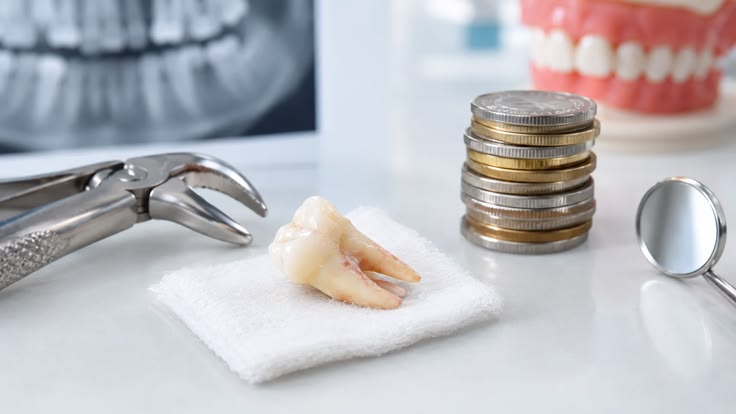
Tooth extraction cost in Hyderabad varies depending on whether the extraction is simple or surgical, the position of the tooth, whether X-rays are needed and the clinic’s setup. Wisdom teeth generally cost more than a straightforward extraction. Rather than comparing quotes blindly, ask for a clear estimate after examination so there are no surprises. A fair price with careful technique is worth more than the cheapest option.
Do You Need Wisdom Tooth Removal?
Not every wisdom tooth must come out. But wisdom tooth removal in Hyderabad is common because many people don’t have enough space for these teeth. Signs that yours may need attention include repeated gum swelling at the back, pain when chewing, cavities that are hard to clean and pressure on the neighbouring tooth. An X-ray is the only reliable way to know, so get it checked before the problem grows.
Visit Us: Your Dentist in Uppal
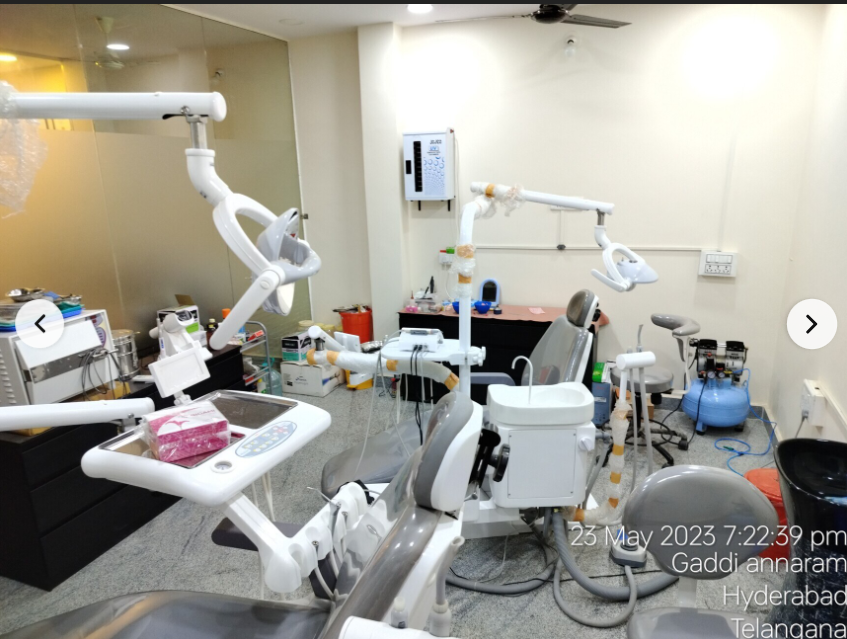
If you’re looking for the best dental clinic in Uppal, N Square Dental is located beside Federal Bank in Uppal, Hyderabad. Our team handles extractions, wisdom tooth care, root canals, implants and aligners, with a focus on comfort and clear communication.
You can learn more about us and see patient feedback on our JustDial listing, look at photos of our clinic, or find us on Wheree and Magicpin.
Final Thoughts
A tooth extraction sounds scary, but with the right dentist, a clear explanation and good aftercare, it’s usually a smooth experience. Protect the blood clot, eat soft foods, avoid smoking and keep an eye out for warning signs. If something feels wrong, a quick call to your dentist is always better than waiting.
Struggling with a painful tooth? Don’t wait for it to get worse. Book a consultation at N Square Dental in Uppal and get a clear answer on what your tooth needs.